
About Energy Studies Institute
The Energy Studies Institute (ESI) seeks to advance the understanding of energy issues
by conducting independent research and analyses.
HIGHLIGHTS
ESI Researchers Featured at International EEAP Webinar on Sustainable Cooling and Data Centre Resource Efficiency
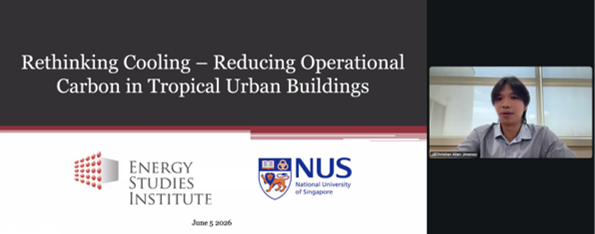
Ms Lalitha Ravi and Mr Christian Allen E. Jimenez from the Energy Studies Institute (ESI), National University of Singapore, recently presented at the Energy Evaluation Asia Pacific (EEAP) Webinar #27, titled "Evaluating Resource Efficiency in Urban Energy Systems: Cooling Buildings and Data Centres".
The webinar brought together policymakers, researchers, and energy professionals from across the Asia-Pacific region to discuss emerging challenges and opportunities in sustainable cooling and resource-efficient urban infrastructure.
Lalitha Ravi, Research Associate at ESI, presented on "Water Implications of Energy-Efficient Data Centre Design". Her presentation explored the growing water footprint of data centres in the age of artificial intelligence (AI), highlighting the relationship between cooling technologies, energy efficiency, and water consumption. The session discussed emerging cooling technologies, data centre efficiency metrics, and strategies for reducing water use while maintaining operational reliability in rapidly expanding digital infrastructure.
Christian Allen E. Jimenez, Research Assistant at ESI, delivered a presentation on "Rethinking Cooling - Reducing Operational Carbon in Urban Buildings". His presentation examined how tropical cities can reduce cooling-related carbon emissions through a combination of passive design strategies, occupant-centric comfort approaches, district cooling systems, and intelligent building operations. The session highlighted the importance of reducing cooling demand before supplying cooling, while demonstrating how integrated cooling solutions can support low-carbon urban development.
Together, the presentations showcased ESI's ongoing research contributions in sustainable cooling, building energy performance, data centre sustainability, and the management of energy-water trade-offs in urban and digital infrastructure. The webinar highlighted the importance of adopting a systems-based approach that considers cooling demand, operational efficiency, water use, and infrastructure resilience in supporting the transition towards more sustainable and resource-conscious cities.
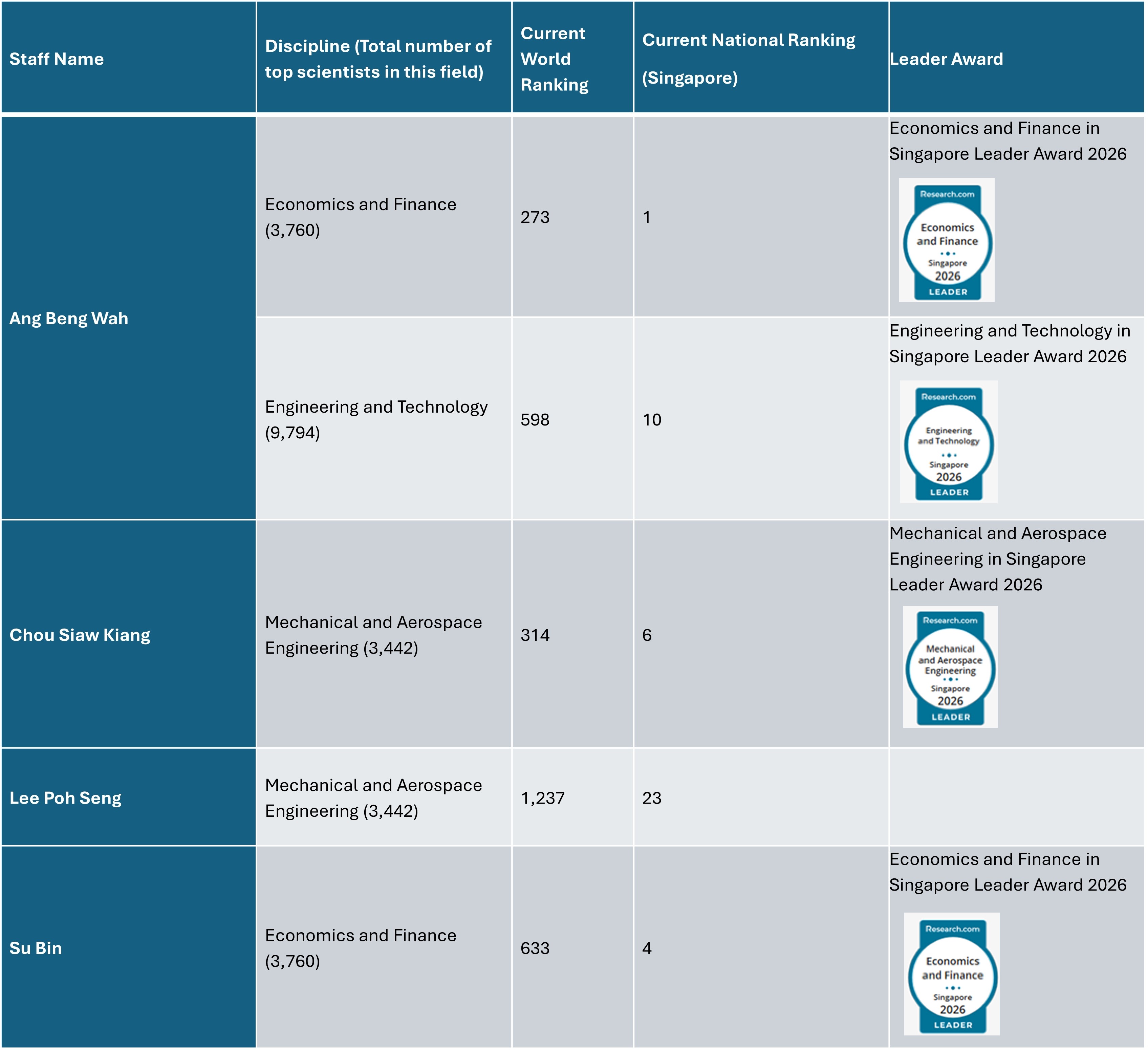
Four ESI Staff Ranked in Top Scientists 2026 by Research.Com
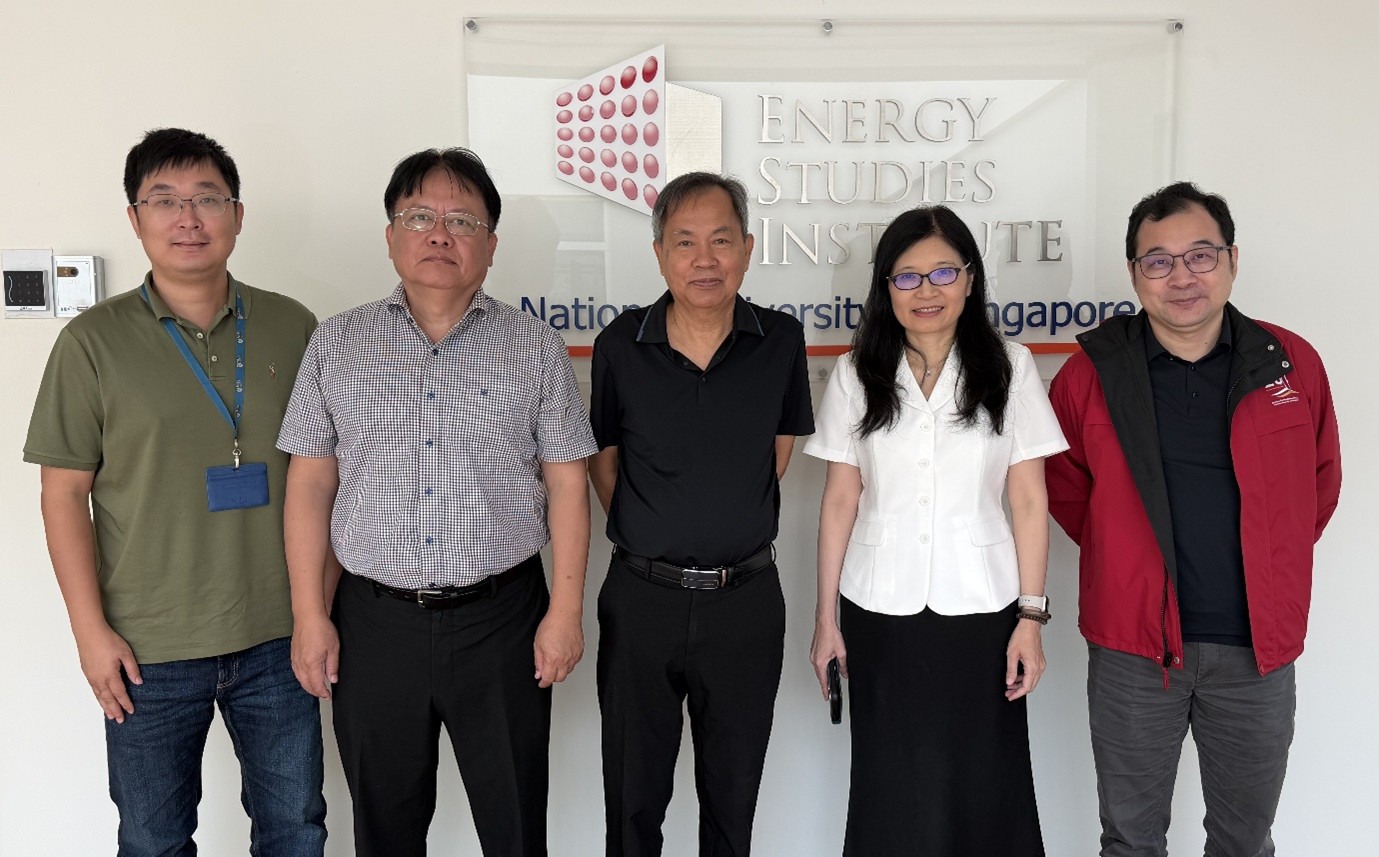
Visit by the VinUniversity, Vietnam
Representatives from VinUniversity, Vietnam, led by Assoc. Prof. Phan Thi Thuc Anh, Associate Vice Provost of VinUniversity and Executive Director of VinUniversity’s Smart Green Transformation Center (Green X), visited the Energy Studies Institute (ESI) on 28 April 2026. The visiting team included Dr. Dinh Van Dzung, former Deputy Director of the IT Research Institute, Vietnam National University. The visit aimed to explore potential research collaboration and to exchange knowledge on energy transition.
During the visit, ESI representatives provided an overview of the institute’s background and research areas. The VinUniversity representatives introduced their academic and research focus, including developments in energy sector innovation survey and Vietnam’s energy transition.
Both sides expressed interest in future collaboration, including joint research projects, as well as seminars or workshops.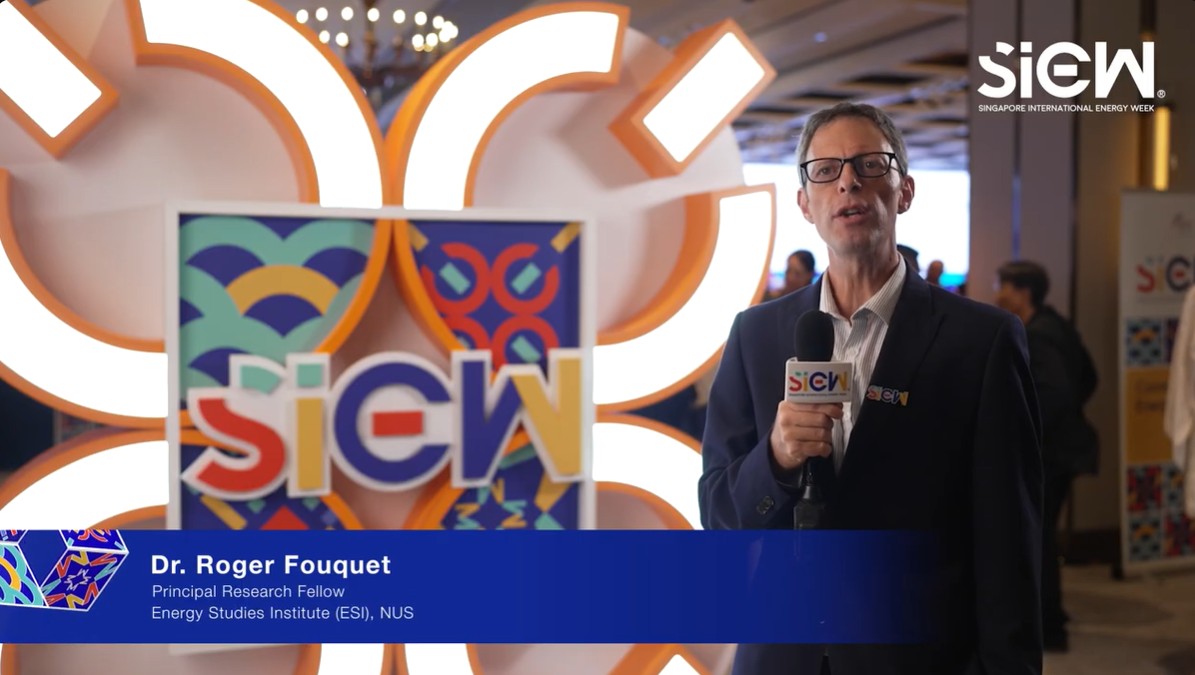
SIEW Live Interview for Global Launch 2026
At the launch of #SIEW2026, ESI’s Roger Fouquet shared his thoughts on innovations shaping the region’s energy future.
He proposed one potential contribution that could move the needle on our decarbonisation journey.
.jpg?Status=Master&sfvrsn=f9509839_1)
ESI Staff Listed in Top Economists (Jan 2026)
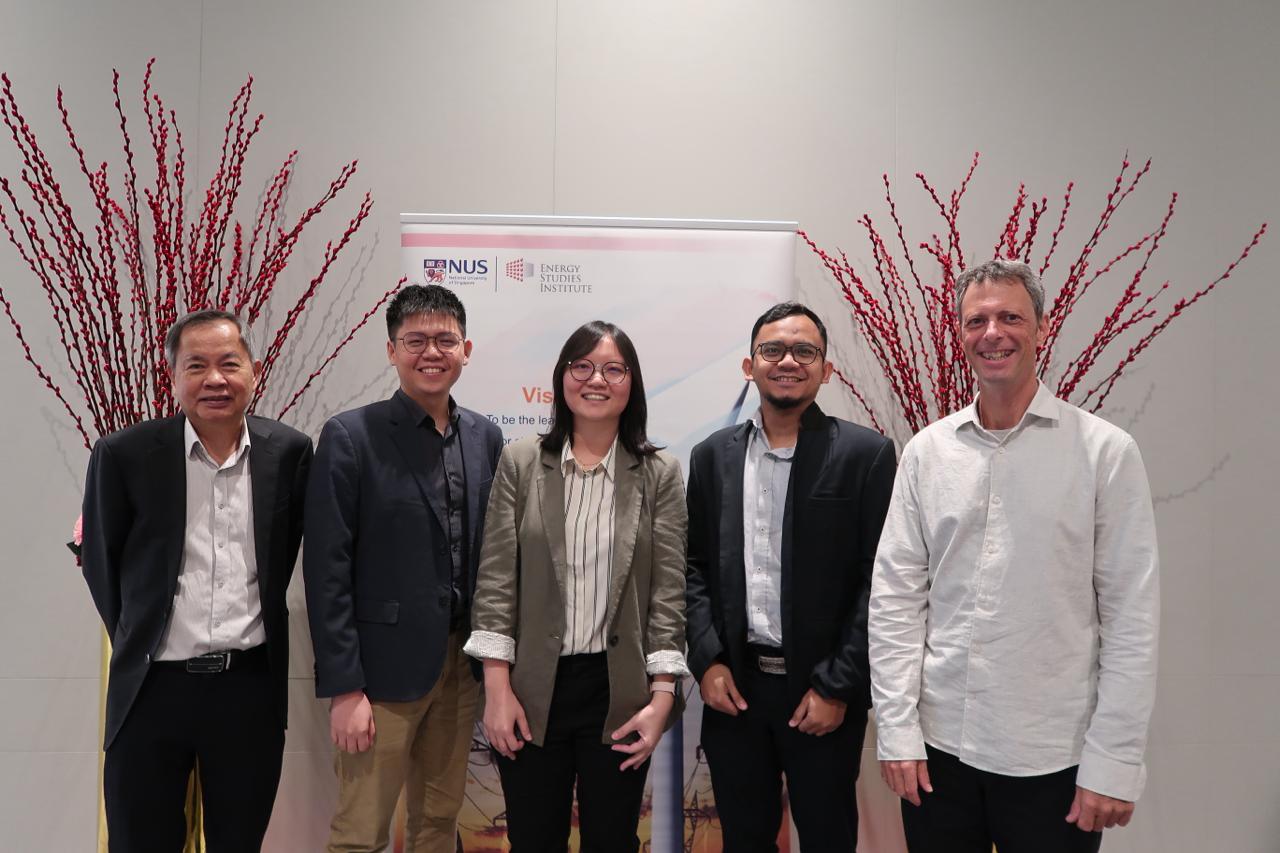
ESI Advances Clean Hydrogen Supply Chain Study with Strategic Funding from Equinix
IMDA & NUS ESI Info-Comm Tech (ICT) Emission Factors & Calculator
We are pleased to share that a recent research output by the Energy Studies Institute (ESI) on emission factors and emissions calculator for cloud services, covering virtual machines and cloud storage, is now live on the Singapore Business Federation Net Zero Hub. https://lnkd.in/gufwnCsB
7th Workshop on Carbon Pricing
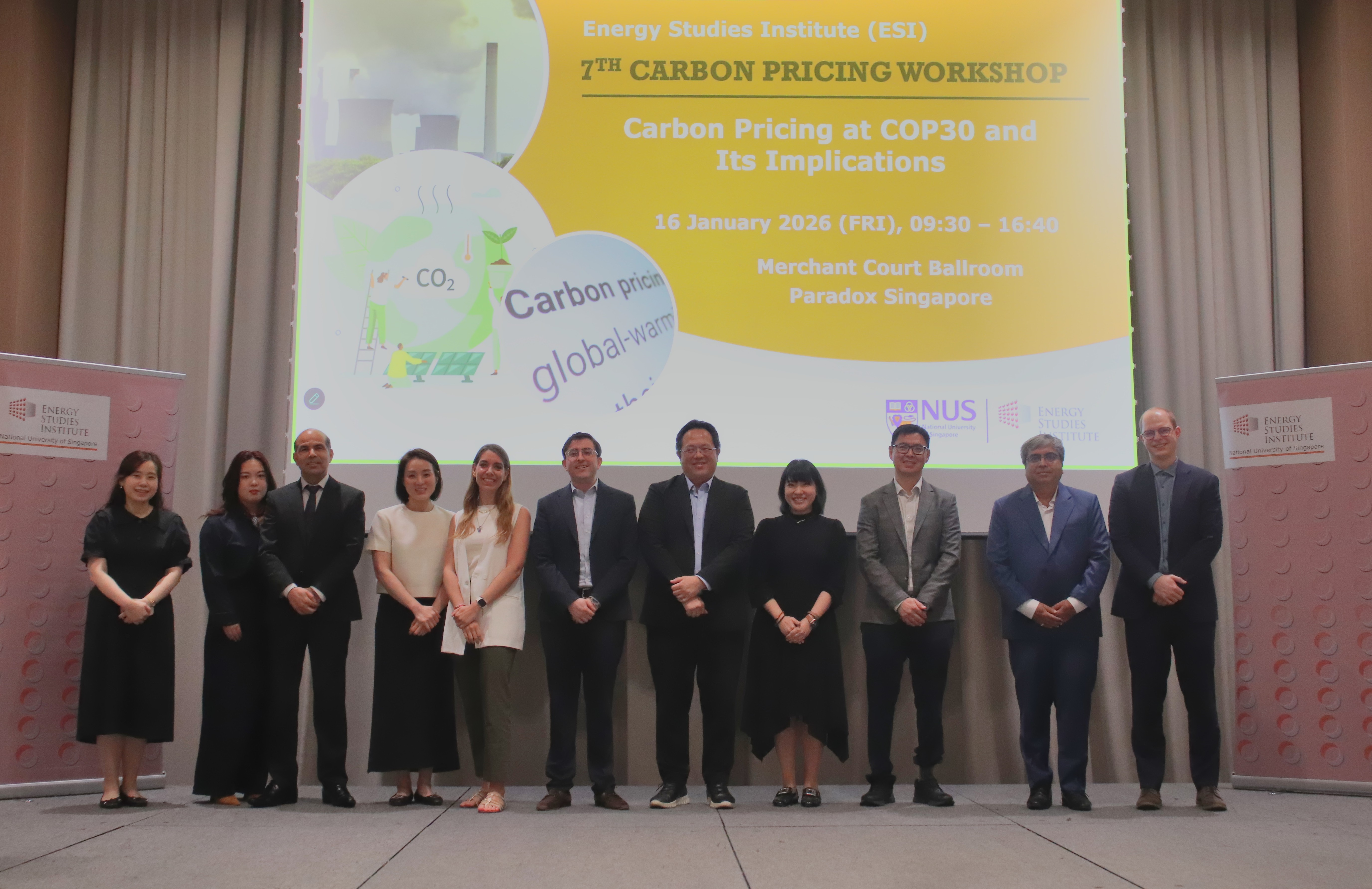
ESI hosted its 7th Workshop on Carbon Pricing with the theme of Carbon Pricing at COP30 and Its Implications on 16th January 2026. The workshop began with remarks from Prof. Lee Poh Seng, ESI Executive Director, to welcome around 70 attendees, including 7 overseas speakers from Argentina, Belgium, Germany, Japan, South Korea, and the United States. In the first session, speakers introduced the European Union’s carbon border adjustment mechanism (CBAM) and why CBAM was a hot issue at COP30. They explained the potential conflict surrounding CBAM implementation, and examined other countries’ political responses and strategies to deal with CBAM. The second session focused on Article 6 of the Paris Agreement and the development of global carbon markets. Speakers provided a clear overview of Article 6 implementation status and discussed the growth and challenges of carbon credit projects. In the following panel discussion, participants explored key carbon pricing topics that will likely be addressed at upcoming COP31 and shared their insights on the linkage between CBAM and carbon markets, the environmental integrity of carbon credits, and the implications of multilateral joint initiatives to promote carbon markets. They also highlighted the importance of clear guidelines for carbon credits and of establishing a proper, robust monitoring, reporting, and verification (MRV) framework.